




Description
Tenkara Kujaku Kebari
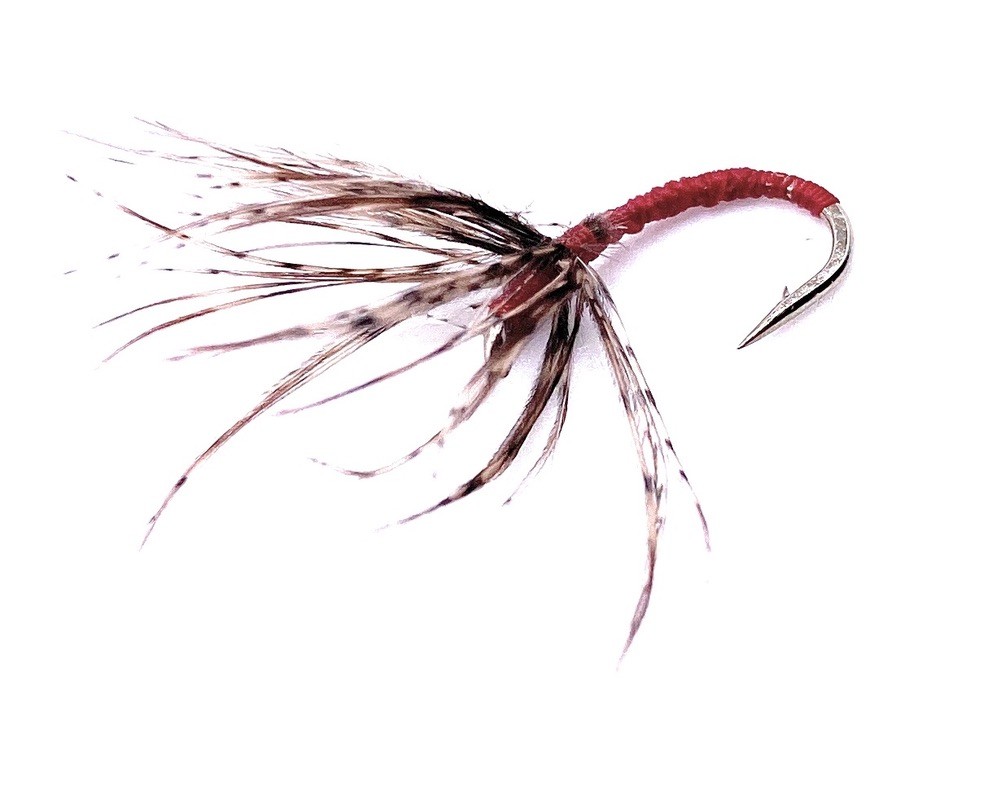
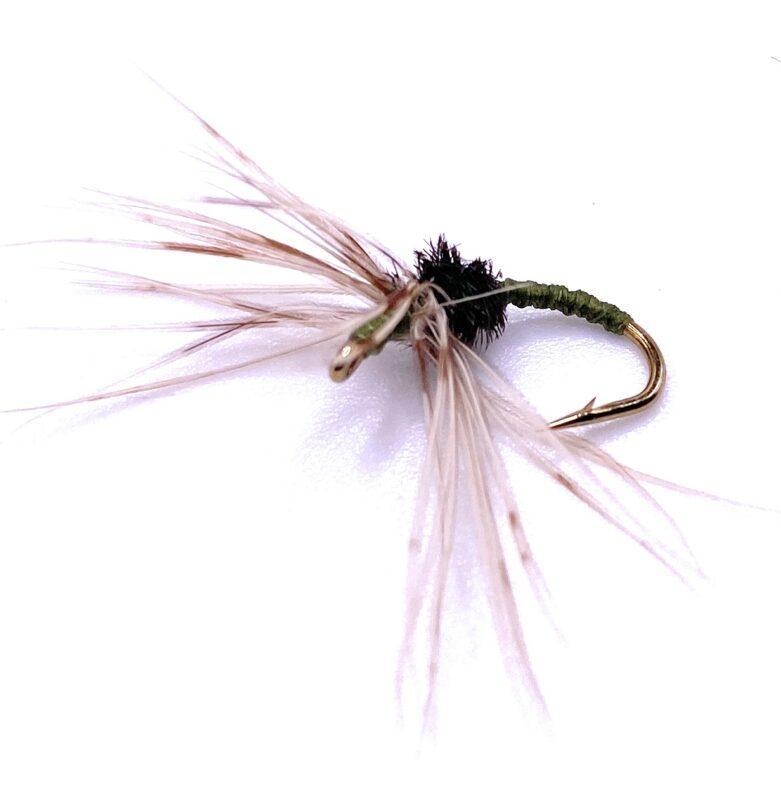
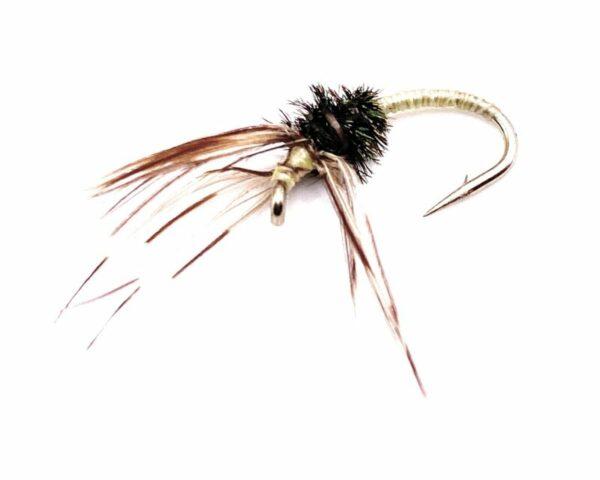
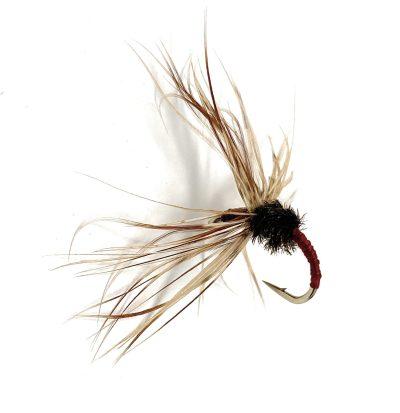
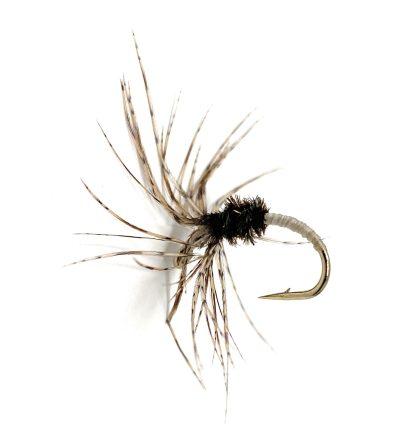
The Tenkara Kujaku Kebari is a fly pattern used in Tenkara fly fishing, a traditional Japanese method that involves using a long, telescoping rod, a level line, and a short tippet. The fly is named after the Kujaku, or peacock, because it features peacock herl in the body of the fly.
The Tenkara Kujaku Kebari typically features a sparse body made from peacock herl or a similar material, with a soft hackle collar made from a feather such as partridge or hen. The soft hackle collar provides lifelike movement and action in the water, which can entice fish to strike.
The fly pattern is typically tied in a reverse hackle style, which means that the hackle is tied in at the front of the fly and swept back over the body. This creates a more streamlined profile and allows the fly to sink quickly to the bottom.
The Tenkara Kujaku Kebari is a versatile fly pattern that can be fished in a variety of water conditions, from fast-moving streams to stillwater environments. It is often fished using a dead drift or a slow, pulsing retrieve that mimics the movement of an insect in the water.
This fly pattern is particularly effective for trout and other game fish that feed on aquatic insects. The natural colors and materials used in the fly pattern can make it a convincing imitation of a variety of insects, making it a go-to pattern for many Tenkara anglers.
Usually available in the following color variations: Black | Brown | Green | Olive | Orange | Red | Rust | White | Yellow
Usually available in the following hook sizes: 10 | 12 | 14 | 16 | 18


Reviews
There are no reviews yet.